


St Martins Habitats
St Martins habitats are a big part of St. Martin’s culture and known for its truly unique architecture. St. Martin has long been a melting pot of various cultures and societies. With each of these groups came different ways of architecture that shaped the way Caribbean cultures constructed homes. Although much of the architecture across the region is deeply rooted in historic styles, there is an increasing tilt towards a blend of modern architecture. Alongside the historic feel of many villages and towns such as Marigot and Philipsburg.
The historic architecture of St Martins habitats is a direct reflection of the many cultures and ethnic groups that came together. Making the Caribbean the cultural melting pot it is today. Dutch, British, Spanish and French colonial powers brought European architectural styles to the region, where they combined over time with that of the native groups. There is also the influence of African cultures, brought over as slaves of the colonial powers. As these colonial groups mixed with indigenous groups, creoles, and African cultures it gave rise to architectural styles that became uniquely Caribbean.
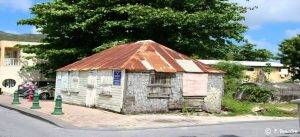
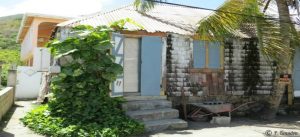
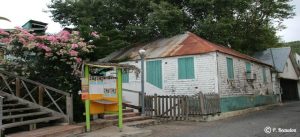
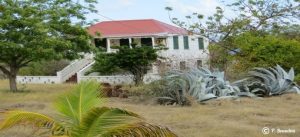
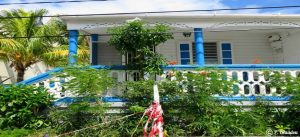
The Caribbean is home to high winds, heat, rain, and intense humidity. All of these factors played into the overall design and features of many Caribbean homes. Heavy rain falls contributed to the choice of gable roofs. Cool Caribbean breezes led many to adopt large, open verandas on their homes. Both to take advantage of the cooling breezes, but also to offer a place to take in the beauty of the natural surroundings.
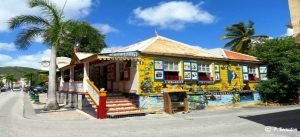
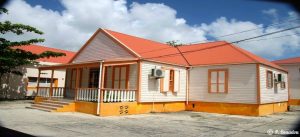
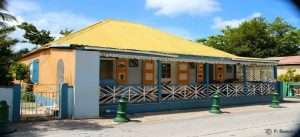
The term “Creole Cottage” is loosely used to refer to a type of house you can find throughout the Caribbean and the Central Gulf coast of the USA. Like some of the monuments of the island, the “Creole Cottages” were built with small wood shingles used to cover the walls and roofs of houses. Their use quickly developed on the islands and became the favorite material due to its numerous advantages. Keeping the house cooler and protecting it from the heat, wood shingles were made of many local woods. Mahogany red, tamarind and mountain sour sop or gray pear-tree where highly used. Nowadays, these homes evoke a tradition which is still present on the island. Although concrete and steel have gradually replaced wood.
We are happy to see that many are willing to put it in the spotlight!